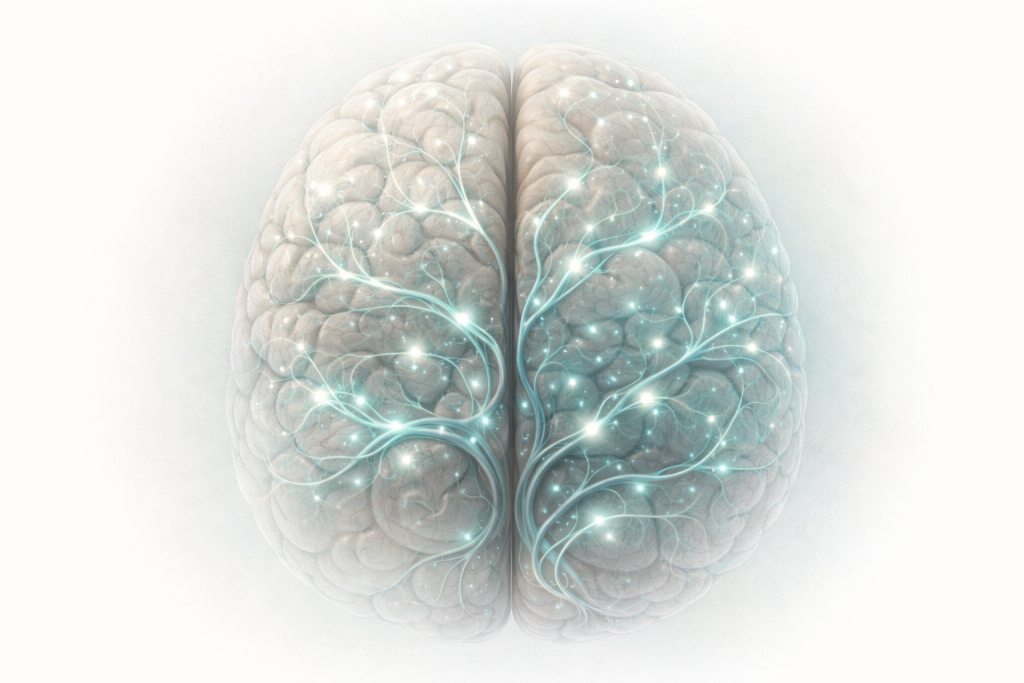
Alzheimer’s Disease: A Comprehensive Knowledge Exploration
Taarho Neurodegeneration Research Hub
Orientation
Alzheimer’s disease (AD) is a chronic, progressive neurodegenerative condition marked by
declining memory, cognition, and functional independence. It is the most common cause of
dementia, a clinical syndrome defined by cognitive impairment severe enough to disrupt daily life.
Neurodegenerative diseases involve the progressive loss of neuronal structure or function,
ultimately leading to neuronal death. In Alzheimer’s disease, this degeneration preferentially
affects memory-related neural networks, particularly within the hippocampus and associated
cortical regions.
Alzheimer’s currently affects tens of millions of individuals worldwide. An estimated
55–60 million people live with dementia globally, with projections suggesting this number
could triple by 2050 in the absence of effective prevention or cures. In the United States
alone, approximately 7.2 million individuals aged 65 and older are living with AD, a figure
expected to rise to nearly 14 million by 2060.
The societal and economic burden is immense. Annual care costs in the United States exceed
$380 billion, while over 12 million caregivers provide more than 19 billion hours of unpaid
care. These realities underscore the urgency of advancing research, early detection, and
risk mitigation strategies.
Biological Foundations
Normal memory and cognition depend on interconnected networks of neurons communicating
at synapses via neurotransmitters such as acetylcholine. The hippocampus plays a central
role in forming and consolidating new memories.
In Alzheimer’s disease, these networks progressively deteriorate. Degeneration of the basal
forebrain cholinergic system leads to reduced acetylcholine availability, impairing memory
and learning. Structural brain changes accompany this process, including synaptic loss and
regional atrophy.
Alzheimer’s pathology includes both abnormal protein accumulation and neuronal loss.
Amyloid-β plaques form extracellularly, while tau neurofibrillary tangles develop within neurons.
These lesions disrupt synaptic signaling and ultimately result in neuronal death and brain
atrophy, particularly within the hippocampus and temporal cortex.
Medical Word Breakdown
- Neuron: A nerve cell responsible for transmitting information in the brain.
- Synapse: The junction where neurons communicate via neurotransmitters.
- Neurotransmitter: A chemical messenger enabling neuronal communication.
- Hippocampus: A brain region essential for memory formation.
- Acetylcholine: A neurotransmitter critical for memory and learning.
Core Mechanisms
Amyloid-β Aggregation
Amyloid-β (Aβ) peptides, particularly Aβ42, aggregate to form oligomers and plaques that
disrupt neuronal communication and activate inflammatory responses. The amyloid cascade
hypothesis proposes that this accumulation initiates downstream neurodegenerative processes.
Tau Pathology
Tau proteins normally stabilize neuronal microtubules. In Alzheimer’s disease, tau becomes
hyperphosphorylated, forming neurofibrillary tangles that impair intracellular transport and
promote neuronal death. Tau pathology correlates strongly with disease severity.
Neuroinflammation
Chronic activation of microglia and astrocytes contributes to sustained inflammation.
While initially protective, prolonged neuroinflammation accelerates synaptic loss and
neurodegeneration.
Synaptic Failure
Synaptic loss is one of the strongest pathological correlates of cognitive decline. Multiple
insults—including protein aggregation, oxidative stress, and mitochondrial dysfunction—
converge to disrupt neural networks.
Mitochondrial Dysfunction
Impaired energy production and increased oxidative stress compromise neuronal resilience,
amplifying vulnerability to degeneration.
Clinical Presentation & Progression
Alzheimer’s disease typically begins with subtle short-term memory impairment and gradually
progresses to involve language, executive function, and behavior. As the disease advances,
individuals become increasingly dependent on caregivers for daily activities.
The disease course spans a continuum from preclinical pathology to mild cognitive impairment
and ultimately to dementia. Early diagnosis is increasingly emphasized, as interventions are
most effective before extensive neuronal loss occurs.
Diagnostics
Diagnosis integrates clinical assessment, cognitive testing, neuroimaging, and biomarkers.
Modern diagnostic frameworks emphasize a biological definition of Alzheimer’s disease,
requiring evidence of amyloid and tau pathology alongside clinical symptoms.
Interventions
Current treatments include symptomatic pharmacologic therapies and emerging disease-modifying
agents targeting amyloid pathology. Non-pharmaceutical strategies—such as exercise, nutrition,
sleep optimization, and vascular risk management—play a critical role in comprehensive care.